Legionella lab result tracking, from sample to logbook
The sample leaves the site, the result lands in an inbox, and somewhere between the two sits the riskiest gap in water hygiene. BlueWave closes it.
The problem it kills
The riskiest week in water hygiene is the one between the courier collecting the samples and someone remembering to chase the lab. The result arrives as a PDF in whoever's inbox booked the job, gets saved somewhere, and a positive can sit unread over a weekend. If it ever surfaces in an investigation, "it was in the inbox" is not the sentence you want to be saying.
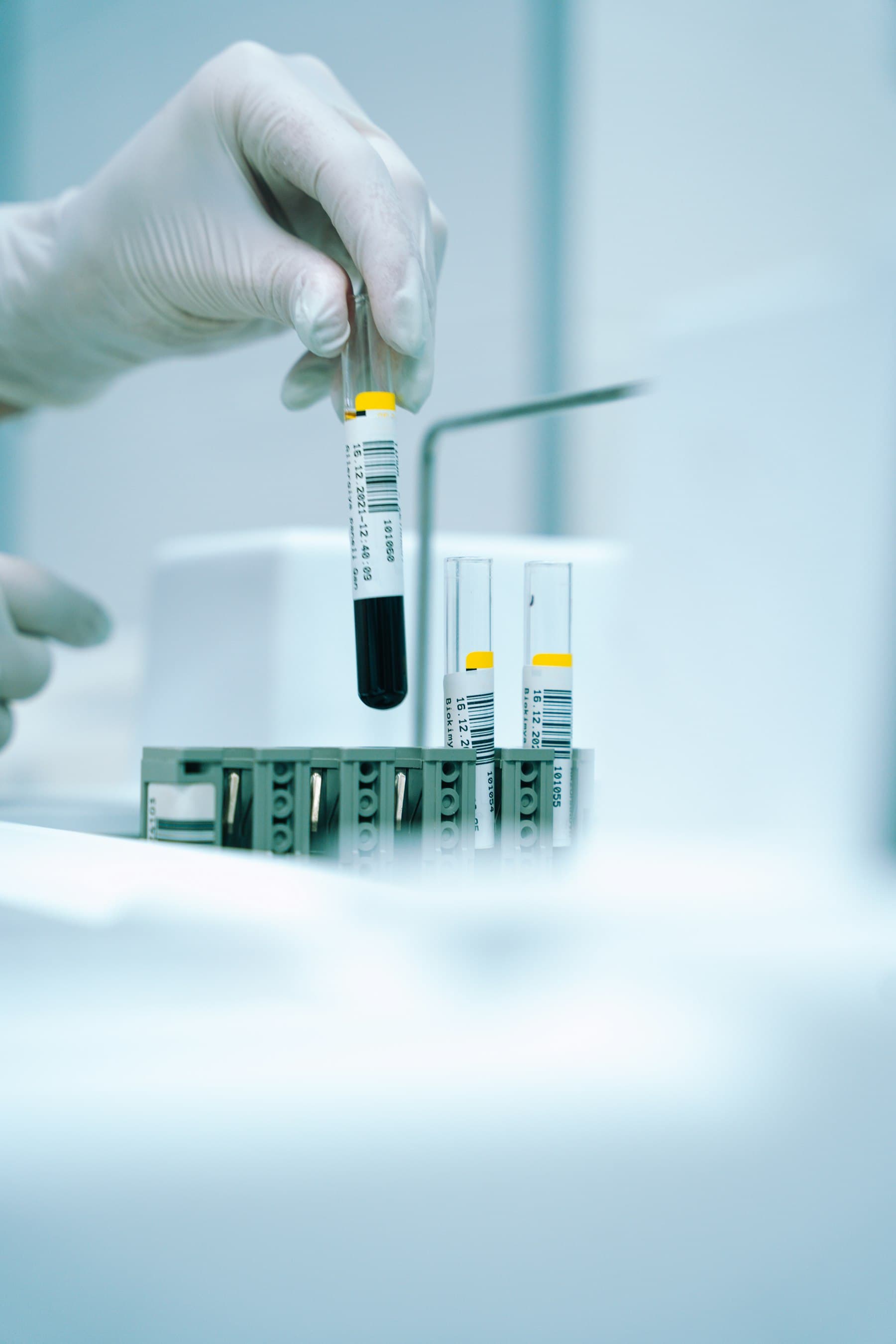
Every sample has a chain. The gaps live between its links.
A pipeline, not a memory
Every job with samples out shows in one view: what was collected, when, which lab has it, how long it's been. Nothing waits on someone remembering — the pipeline is the reminder.
- All open sample sets in one queue
- Ageing visible at a glance — the 9-day-old set stands out
- Chase the lab from the job, not from memory
The PDF lands where it belongs
Upload the UKAS lab report against the job and transcribe the values into the historical logs — so the result lives with the site and the asset it came from, searchable for the five years someone may ask about it.
- Lab PDF attached to the job's record
- Values transcribed into the asset's monitoring history
- The original document and the structured data, together
Positives become action, immediately
A positive result isn't filed — it's flagged, and the reactive job it demands is raised and dispatched from the same screen. The audit trail starts at the result, which is exactly where an investigator will start too.
- Positive results flagged the moment they're recorded
- Reactive job raised and dispatched without leaving the result
- A clean line from result to remediation in the record
An inbox is where results go to wait
The inbox-and-spreadsheet workflow has a structural flaw: it depends on the right person reading the right email at the right time, every time, including the Friday before a bank holiday. BlueWave gives results a pipeline with ageing, ownership and a next action — because a positive Legionella result deserves better than "unread, 2 days".
Where lab reports sit in the records you must keep: the logbook requirements guide — and the standards behind it all on the compliance hub.
Common questions
How does BlueWave stop lab results getting lost in an inbox?
Can I upload the UKAS lab report and keep the readings too?
What happens when a sample comes back positive?
Does it work with any UKAS-accredited lab?
Ask us the bank-holiday question
In the demo: a positive lands at 5pm on Good Friday. Watch what BlueWave does with it — and compare it with what your inbox would do.